
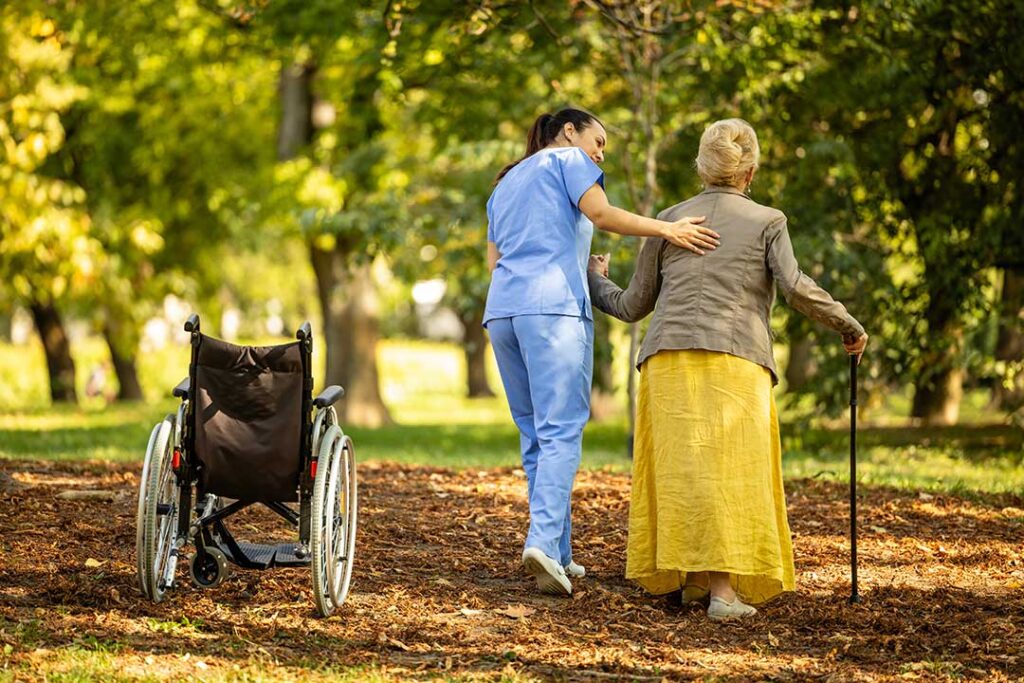
Assisted living can help older adults remain physically active, socially connected, and involved in everyday life while providing support with tasks that have become difficult. The goal is not constant exercise or a demanding schedule. It is creating safe, practical opportunities for movement, independence, and participation throughout the day.
What does an active lifestyle mean in assisted living?
An active lifestyle includes more than formal workouts. For an older adult, activity may involve walking to meals, joining a group discussion, tending plants, participating in a craft, taking part in an outing, or helping with a simple household task.
Assisted living communities often support activity at several levels:
- Physical activity: Walking, stretching, balance exercises, chair exercises, and strength-building movements
- Social activity: Shared meals, conversation groups, games, celebrations, and interest-based gatherings
- Mental activity: Puzzles, reading groups, educational discussions, music, and memory-focused activities
- Purposeful activity: Gardening, organizing personal items, helping with small projects, or caring for a pet-friendly area
- Outdoor activity: Sitting outside, walking on maintained paths, seasonal gardening, or observing nature
This broader definition matters because some residents may not be able to participate in traditional exercise. Meaningful engagement and regular movement can still support overall well-being.
How does assisted living make movement part of the daily routine?
Assisted living can encourage activity by building movement into ordinary routines instead of treating it as a separate task. Residents may walk to common areas, attend meals outside their apartments, or move between activities during the day.
Staff support can also reduce barriers. A resident who feels uncertain about walking alone may feel more comfortable joining a group or receiving assistance with transportation to an activity. Some residents benefit from reminders, encouragement, or a slower pace.
Small movements throughout the day may be more realistic than one long exercise session. Examples include:
- Walking a short hallway several times
- Standing and sitting from a sturdy chair
- Completing gentle stretches after waking
- Carrying lightweight personal items
- Taking brief outdoor breaks when conditions are comfortable
- Participating in seated exercises during group programs
The appropriate level of activity depends on a person’s strength, balance, health conditions, and medical guidance.
What types of exercise are commonly available?
Programs vary, but many assisted living settings offer low-impact activities designed for different abilities. Common examples include walking groups, chair yoga, balance practice, light resistance exercises, and guided stretching.
Balance-focused activities are especially useful because confidence with standing and walking can affect whether someone participates in daily life. Exercises may include controlled weight shifting, heel raises, or movements performed while holding a stable surface.
Strength activities can also be adapted. Light hand weights, resistance bands, or body-weight movements may help residents maintain the strength needed for dressing, rising from a chair, or carrying personal belongings.
Exercise should not cause sharp pain, unusual shortness of breath, dizziness, or chest discomfort. A resident may need an individualized activity plan when living with arthritis, osteoporosis, heart disease, neurological conditions, or a recent injury.
Can residents stay active during cold, wet, or icy weather?
Yes. Seasonal conditions can change how outdoor activity is managed, particularly during Pennsylvania winters. Indoor options become more important when sidewalks are wet, icy, or uncomfortable, and hot or humid weather may also require shorter outdoor periods.
Indoor activity can include hallway walking, indoor walking routes, group exercise, dancing to familiar music, or movement between scheduled programs. Some communities use activity rooms, lounges, or other common spaces for exercise and social events.
Weather-related safety involves more than temperature. Footwear, lighting, hydration, clothing, and surface conditions all affect mobility. Residents who use canes, walkers, or wheelchairs may need additional planning before going outdoors.
A missed outdoor walk does not have to mean a missed day of activity. A short indoor routine, conversation group, or seated program can provide movement and connection without unnecessary exposure to poor conditions.
How do social activities support physical activity?
Social connection can make activity feel purposeful and easier to maintain. Residents are often more likely to attend a walking group, exercise class, or recreational program when it also provides an opportunity to talk with others.
Group activities can help reduce isolation, especially for people who have stopped driving, lost a spouse, or moved away from a familiar home. Shared routines may also make it easier to notice changes in a resident’s mood, energy, or mobility.
Examples of socially active programs include:
- Group walks at a comfortable pace
- Music and movement sessions
- Board games that involve reaching or hand coordination
- Gardening or plant-care activities
- Shared cooking demonstrations
- Seasonal celebrations with light movement
- Outings planned around residents’ abilities and weather conditions

Participation should remain voluntary. An active lifestyle is more sustainable when residents can choose activities that fit their interests rather than feeling pressured to join every program.
How can assisted living support residents with limited mobility?
Limited mobility does not eliminate the possibility of an active lifestyle. Activity can be adapted for a person who uses a walker, wheelchair, cane, or other mobility aid.
For example, a resident may participate in seated strength exercises, upper-body stretching, guided range-of-motion movements, music programs, or social activities held in accessible spaces. Transfers, walking routes, and seating arrangements may also be adjusted to reduce fatigue and fall risk.
Accessibility details matter. Residents and families may want to ask whether common areas have clear pathways, suitable seating, adequate lighting, accessible restrooms, and room for mobility devices. The ability to reach an activity safely can be just as important as the activity itself.
A resident’s abilities may change from day to day. Flexible programming allows someone to participate for a shorter period, take rest breaks, or choose a less physically demanding role.
Does staying active help residents remain independent?
Regular movement can support the physical abilities used in everyday tasks, although it cannot prevent every health change or guarantee continued independence. Walking, leg strength, balance, and flexibility may help a person manage activities such as standing, dressing, bathing, and moving between rooms.
Purposeful routines may also support confidence. A resident who continues making choices, participating in hobbies, and spending time with others may feel more capable and connected to daily life.
Families should look for realistic signs of healthy activity, such as regular participation, enjoyment, improved confidence, or greater willingness to move. Progress does not always appear as longer walks or more repetitions.
What should families ask about activity programs?
Before choosing an assisted living setting, families can ask practical questions about how activity is handled:
- Are exercise programs adapted for different ability levels?
- Is there indoor space for walking during poor weather?
- How are outdoor areas maintained and monitored?
- Can residents participate while using mobility equipment?
- Are rest breaks and shorter sessions available?
- How are changes in balance, endurance, or strength communicated?
- Are activities based on resident interests as well as a posted schedule?
- What happens if a resident prefers quiet, independent activities?
The most supportive environment is not necessarily the one with the longest activity calendar. It is the one that makes safe movement, social connection, and meaningful participation possible at a level that fits each resident.
