
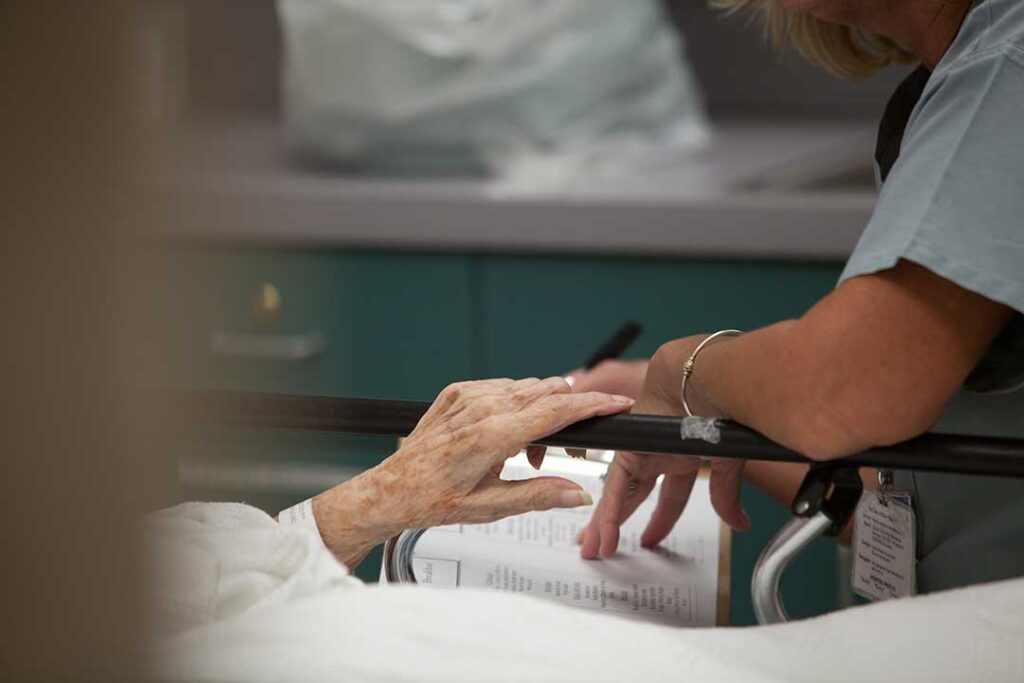
Moving to assisted living is easier when the transition is treated as a series of manageable steps rather than a single event. Early planning, honest conversations, careful downsizing, and attention to daily routines can help a resident feel more secure and settled.
What should be done before choosing a move date?
Begin by identifying the practical and emotional reasons for the move. A resident may need help with medications, meals, bathing, mobility, household upkeep, or transportation. Understanding those needs makes it easier to plan the move around real priorities instead of focusing only on furniture and boxes.
Before setting a date, review:
- The resident’s typical daily schedule
- Mobility needs, including walkers or wheelchairs
- Medication routines and storage requirements
- Dietary preferences, allergies, and meal assistance
- Personal care needs
- Sleep habits and preferred quiet times
- Important appointments and family visits
- Seasonal concerns, such as winter travel and icy walkways
A written list can help family members describe the resident accurately and ask more specific questions. It may also reveal tasks that need attention before moving, such as updating prescriptions, arranging transportation, or sorting legal and financial paperwork.
How can families make the first conversation less stressful?
The discussion should focus on safety, comfort, and support rather than failure or loss of independence. Many older adults worry that assisted living means giving up control. Explain that the goal is usually to reduce burdens while preserving as much choice as possible.
Use specific observations instead of criticism. For example, “You have missed several meals because cooking feels tiring” is more constructive than “You cannot manage the house anymore.”
Invite the resident to participate in decisions about:
- Which belongings will move
- Room arrangement
- Daily wake-up and bedtime preferences
- Clothing choices
- Favorite meals and activities
- How often relatives visit
- What personal routines should remain unchanged
If family members disagree about timing or care needs, a calm planning meeting can help. The resident’s preferences should be considered alongside medical, safety, and financial realities.
What should families ask before moving in?
A tour is useful, but a written question list is even more valuable. Ask how daily life works, not only what the building looks like. Policies can differ between communities, so assumptions should be avoided.
Useful questions include:
- What services are included in the monthly fee?
- Which services cost extra?
- How are care needs evaluated?
- What happens if the resident needs more assistance later?
- How are medications handled?
- Are residents allowed to bring personal furniture?
- What are the rules for space heaters, lamps, microwaves, or other appliances?
- How are meals handled for allergies or special diets?
- What transportation is available for appointments?
- How are emergencies communicated to family members?
- What is the process for reporting maintenance or care concerns?
- Are there quiet hours or visitor guidelines?
- How are personal items labeled and protected?
Ask to see the actual living space if possible. Measure doorways, closets, and furniture areas before deciding what to bring. A room that looks spacious when empty may become difficult to navigate after a bed, dresser, chair, and mobility equipment are added.
How should belongings be downsized?
Downsizing is usually less stressful when it happens gradually. Avoid waiting until the week of the move, especially if the home contains decades of possessions.
Sort items into four groups:
- Bring to the new residence
- Give to family or friends
- Donate or recycle
- Discard because of damage, duplication, or safety concerns
Start with low-emotion items, such as duplicate kitchen tools, old paperwork, unused decorations, and clothing that no longer fits. Save photographs, letters, heirlooms, and personal keepsakes for a separate conversation.
A practical rule is to furnish around the new space rather than trying to fit the entire household into it. Choose items that support comfort and familiarity, such as a favorite chair, bedside lamp, framed photographs, familiar bedding, or a small collection of books.
Avoid cluttering walkways. Loose rugs, narrow furniture arrangements, cords, and unstable tables can increase fall risks. Items should be attractive, but they also need to be easy to use and safe to move around.
What should be packed for the first week?
Pack a clearly marked first-week bag or set of boxes instead of burying essential items in a larger shipment. The resident may need immediate access to everyday necessities while the room is being arranged.
Include:
- Several comfortable outfits
- Non-slip footwear
- Toiletries and personal grooming items
- Glasses, hearing devices, and chargers
- Current medication information
- Important contact numbers
- A small amount of familiar décor
- A calendar or clock that is easy to read
- Preferred snacks, if permitted
- Incontinence supplies, if needed
- Mobility aids and backup batteries
- Comfort items such as a blanket, radio, or family photographs

Label clothing, glasses cases, chargers, and mobility equipment. Names can be written on tags or placed discreetly inside belongings. Keep a complete list of medications, including dosage instructions and prescribing information, rather than relying on memory.
How can the room feel familiar?
A familiar room can reduce confusion and make the new setting feel less temporary. Use a few recognizable objects instead of filling every surface.
Arrange belongings in a way that matches the resident’s previous habits. If reading usually happened beside a window, place the reading chair and lamp in a similar position. If the resident prefers clothes organized by type or color, preserve that system.
A large, easy-to-read calendar can help with orientation. Family photographs may be more useful when labeled with names and relationships. Familiar scents, music, textures, and routines can also provide comfort, provided they do not create fire, allergy, or electrical hazards.
In western Pennsylvania, seasonal changes can affect moving plans. Winter weather may make sidewalks, driveways, and travel more difficult, while summer heat can be tiring during loading and unloading. Keep the move flexible enough to account for snow, rain, heat, and shorter daylight hours.
What should happen on moving day?
Moving day should be simple and predictable. If possible, have one person focus on logistics while another stays with the resident. Too many people, rushed conversations, and constant rearranging can cause unnecessary stress.
Before leaving the former home, check:
- Medication and medical equipment
- Glasses and hearing devices
- Wallet, keys, identification, and phone
- Important documents
- Personal photographs and valuables
- Seasonal clothing
- Bathroom supplies
At the new residence, set up the bed, bathroom items, medications, seating, and lighting first. The room does not need to be completely decorated immediately. A functional arrangement is more useful than a finished-looking room.
Explain the first evening in simple terms: where the bathroom is, when dinner is served, how to ask for help, and who will return for a visit. Avoid promising that every detail will feel comfortable right away. Adjustment often takes time.
How long does adjustment usually take?
Some residents settle within days, while others need several weeks or longer. Temporary sadness, fatigue, irritability, or withdrawal can occur during the transition, but these symptoms should not automatically be dismissed as normal.
Watch for ongoing concerns such as:
- Repeated confusion that is new or worsening
- Refusal to eat or drink
- Frequent falls or attempts to leave unsafely
- Persistent insomnia
- Severe anxiety or depression
- Unexplained injuries
- Missed medications or care tasks
Share observations with the appropriate care staff and the resident’s medical provider when needed. Keep notes about dates, patterns, and changes rather than relying on general impressions.
How can family members help after the move?
Regular, predictable contact is often more helpful than occasional long visits. A short phone call, shared meal, familiar activity, or brief visit can provide reassurance. Family members should also allow the resident time to build relationships and routines within the new community.
During visits, ask open questions such as:
- What part of the day feels easiest?
- Is anything difficult to find?
- Are meals meeting expectations?
- Is there an activity worth trying?
- Do you feel comfortable asking for help?
Avoid making every visit a room inspection or a discussion about problems. Listen carefully, respond to concerns, and pass along specific information when follow-up is needed.
A smooth move does not require every detail to be perfect on the first day. It depends on preparation, respect for the resident’s choices, and steady attention to safety and comfort as new routines develop.
