
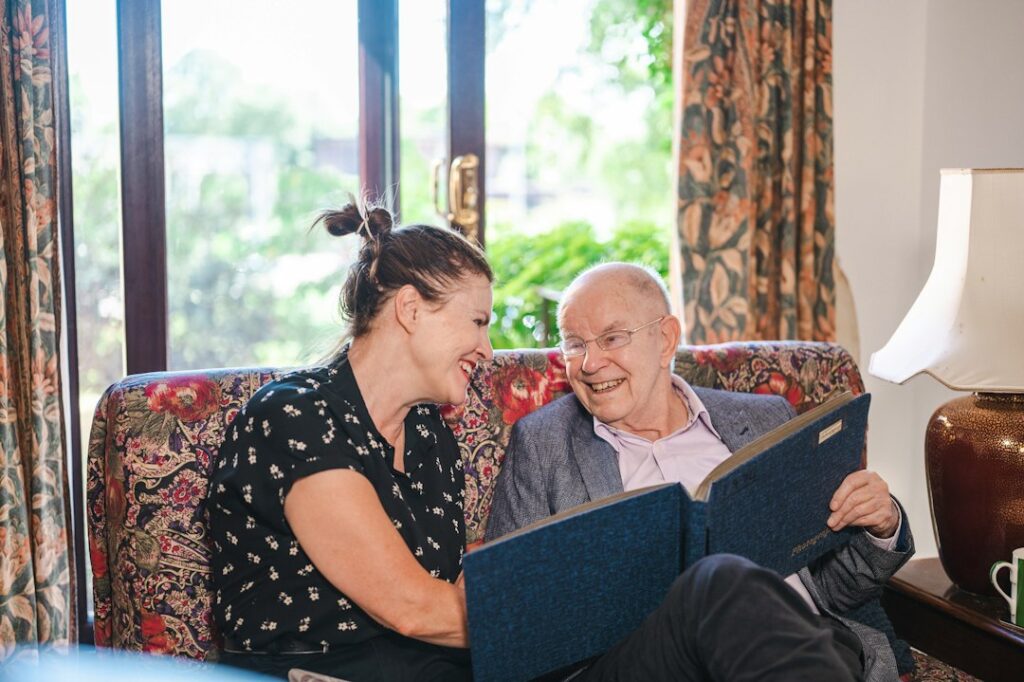
Assisted living is designed to support daily needs while preserving as much independence as possible. Social workers help make that balance practical by addressing emotional health, family concerns, care planning, resident rights, and connections to community resources.
A social worker may be part of an assisted living residence’s staff, work with residents through an outside agency, or become involved during a hospital discharge or major change in care. The specific role varies by residence, but the focus is generally the same: helping residents and families manage the personal and practical challenges of aging.
What does a social worker do in assisted living?
An assisted living social worker helps residents adjust to changes, understand available support, and participate in decisions about their care. The work is broader than counseling and often includes coordination, advocacy, communication, and problem-solving.
Typical responsibilities may include:
- Completing or contributing to psychosocial assessments
- Helping a new resident adjust to a different home environment
- Supporting residents who feel lonely, anxious, depressed, or overwhelmed
- Communicating with family members about changing needs
- Participating in service-plan meetings
- Connecting residents with transportation, benefits, counseling, or aging services
- Helping address concerns about safety, dignity, privacy, or treatment
- Assisting with transitions to a hospital, rehabilitation setting, nursing facility, or another living arrangement
Social workers do not replace nurses, physicians, or direct-care staff. Their contribution is centered on the resident’s emotional well-being, relationships, preferences, rights, and social circumstances.
How can a social worker help during the move to assisted living?
Moving from a private home into assisted living can involve grief, uncertainty, and a loss of familiar routines. A social worker can help the resident talk through those changes and identify ways to preserve personal habits, relationships, and meaningful activities.
Before or shortly after a move, the social worker may discuss:
- What the resident is worried about
- Which routines should remain part of daily life
- How family members can stay involved without taking over
- Whether the resident has transportation, financial, or benefits concerns
- How cultural, religious, or personal preferences should be respected
- What signs might indicate difficulty adjusting
For households in Scottdale, seasonal conditions can also affect adjustment and participation. Winter weather, shorter daylight hours, and transportation limitations may make it harder for some residents to attend appointments, visit family, or join activities. A social worker may help the care team and family consider indoor alternatives and practical transportation arrangements.
Do social workers provide mental health counseling?
Some social workers provide counseling, but not every social worker in assisted living is a clinical therapist. The services available depend on the person’s education, license, job duties, and the residence’s staffing arrangement.
A social worker may offer supportive conversations, crisis assistance, grief support, or short-term counseling. If a resident needs treatment for significant depression, trauma, substance use, severe anxiety, or another mental health condition, the social worker may help coordinate an appropriate licensed mental health provider.
This distinction matters. A social worker can notice changes such as withdrawal, tearfulness, confusion, anger, or loss of interest, but those symptoms may have many possible causes. Pain, medication effects, infection, sleep problems, dementia, hearing loss, and other medical concerns can look like depression or anxiety. Concerns should be shared with the appropriate medical and care staff.
How do social workers support families?
Families often need help understanding what assisted living can and cannot provide. A social worker can explain care-planning processes, clarify who handles different concerns, and help family members communicate more effectively.
Family support may involve:
- Explaining changes in a resident’s behavior or abilities
- Preparing for care conferences
- Helping relatives express concerns respectfully and clearly
- Discussing disagreement between family members
- Identifying realistic roles for relatives who live far away
- Providing grief support when a resident’s health declines
- Helping families understand a possible change in level of care
A social worker is not automatically an independent decision-maker for the resident. Unless legal authority has been established, the resident generally retains the right to make personal choices when able to do so. A social worker should support informed participation rather than assume that family preference always overrides the resident’s wishes.
What is the difference between a social worker and an activities director?

The roles may overlap, but they are not identical. An activities professional generally focuses on engagement, recreation, social connection, and meaningful daily programming. A social worker focuses more heavily on psychosocial needs, family relationships, adjustment, advocacy, care coordination, and access to services.
For example, an activities professional might organize a small-group craft session for residents who enjoy making things. A social worker might speak with a resident who has stopped attending activities because of grief, social anxiety, transportation concerns, or conflict with another resident.
Both roles support quality of life, and effective communication between them can help identify changes early.
Can a social worker help with resident rights and complaints?
Yes. Social workers often help residents understand how to raise concerns and identify the appropriate person or process for addressing them. Concerns might involve privacy, personal belongings, communication, food preferences, roommate issues, staff interactions, care-plan changes, or participation in decisions.
A resident may ask a social worker to help:
- Put a concern into writing
- Prepare for a meeting with facility leadership
- Identify whether the issue is clinical, administrative, financial, or safety-related
- Include a representative or family member in the discussion
- Document what happened and when
- Understand the next step if the concern is not resolved
A social worker should not discourage a resident from reporting a legitimate concern. If there is suspected abuse, neglect, exploitation, retaliation, or immediate danger, the matter may require prompt reporting through the appropriate state, protective-services, emergency, or law-enforcement channel.
When should a family ask to speak with the social worker?
A conversation may be useful when a resident has a noticeable change in mood, is isolating, refuses care, repeatedly asks to return home, or appears distressed after a significant health or family event. Families can also request help when communication has broken down or when they are uncertain about the resident’s changing needs.
It helps to bring specific observations rather than general statements. For example:
- “The resident has skipped three meals this week.”
- “The resident no longer answers familiar phone calls.”
- “The resident seems frightened after sunset.”
- “The resident is confused about a new medication routine.”
- “The family disagrees about the next care decision.”
Specific details help the social worker determine whether the issue may involve emotional distress, a medical change, an environmental problem, or a need for additional support.
What should residents expect from the relationship?
Residents should expect respectful communication, reasonable privacy, honest explanations, and attention to personal preferences. They should also understand that social workers may need to share information with members of the care team when safety or care planning requires it.
Residents can ask what information will remain private, who will receive updates, and what happens after a concern is reported. A clear explanation can prevent misunderstandings, particularly when several relatives, caregivers, and medical professionals are involved.
In Pennsylvania, assisted living residences and personal care homes operate under state licensing requirements, but staffing models differ. Some residences may have a dedicated social worker, while others may arrange social-services support through a part-time employee, consultant, or community-based professional. Asking how social-work needs are handled is a practical question for residents and families evaluating care or trying to understand available support.
