

How Are Emergencies Handled in Assisted Living Communities?
Emergencies in assisted living can range from falls and sudden illness to severe weather or fire. Communities prepare for these situations with clear protocols designed for the safety and well-being of all residents. Staff are trained to respond quickly, coordinate with local emergency services, and keep families informed as needed.
What Types of Emergencies Are Most Common?
In the context of assisted living, emergencies are most frequently medical in nature, but environmental and facility-related incidents also occur. Typical emergencies include:
- Medical incidents like falls, strokes, or heart attacks
- Extreme weather events, particularly winter storms and power outages
- Structural issues such as fires or water leaks
- Occasional missing-person situations if a resident wanders
Given the regional climate, winter storms pose a distinct challenge for both mobility and healthcare access in the community. Facilities plan for power backups, extra supplies, and alternative staffing if roads are inaccessible.
How Are Staff Trained for Emergency Situations?
Assisted living staff receive specific training tailored to the types of emergencies most likely to occur. Each member learns not only how to operate safety systems but also how to keep residents calm and informed during an incident.
Training routines often include:
- First aid and CPR certification
- Regular fire and evacuation drills
- Recognition and reporting of symptoms for strokes, heart attacks, and other sudden illnesses
- Techniques for assisting residents with limited mobility or memory challenges
Staff must also understand local emergency procedures, so training incorporates regional guidelines as well as state-mandated requirements.
What Happens If a Resident Has a Medical Emergency?
If a resident suffers a fall, sudden illness, or another medical crisis, staff are prepared to take immediate action. They assess the situation, provide first aid if needed, and contact 911 for emergency medical services.
Standard protocols include:
- Remaining with the resident and monitoring vital signs until help arrives
- Contacting family or medical power of attorney when appropriate
- Documenting the incident clearly for follow-up by healthcare providers
Residents and families frequently ask whether staff can administer medication or provide advanced care. In most assisted living settings, staff can provide basic first aid and support but are not licensed for advanced medical interventions.
How Are Community-Wide Emergencies Addressed?
During larger emergencies, such as fire alarms or major storms, facilities rely on detailed evacuation plans and contingency protocols. Residents participate in periodic drills so they know what to expect and feel more confident if a real event occurs.
Steps include:
- Evacuation routes posted clearly in all areas
- Grab-and-go kits with essentials for each resident
- Communication plans that include emergency contacts and reunification procedures
If sheltering in place is safer (common during ice storms or blizzards), buildings are stocked with food, water, medication, and battery-powered lighting. Generator systems help ensure backup power, especially for critical medical devices.
How Do Residents Stay Informed During Emergencies?
Assisted living communities prioritize clear communication so residents understand what’s happening and what they need to do. Typically:
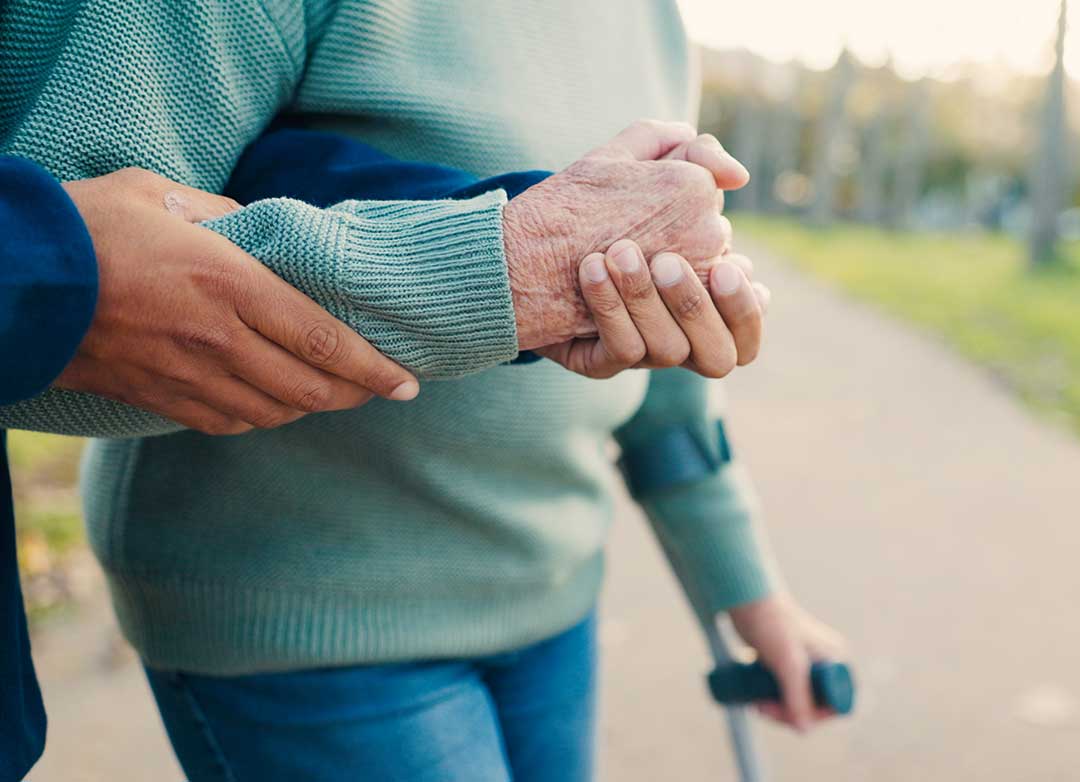
- Staff use calm, simple instructions, tailored for hearing or cognitive limitations
- Overhead announcements or portable radios keep everyone informed if the power is out
- Families are notified per established consent guidelines, especially if a resident must be moved or transported
Some facilities also partner with local emergency networks, allowing quick updates about citywide alerts affecting the neighborhood.
What Should Families and Residents Discuss with Staff?
Understanding how a specific community handles emergencies is important for peace of mind. Residents and families may want to ask about:
- Evacuation and shelter procedures, unique to the building’s layout and resident mix
- How personal health information and emergency contacts are kept up to date
- Policies on medication handling during emergencies
- How often staff training and emergency drills occur
Discussing these questions with management and care staff ahead of time helps everyone feel more prepared.
Are There Common Misconceptions About Assisted Living Preparedness?
Many families worry that staff may not be equipped to handle a serious crisis, but assisted living communities operate under strict regulatory frameworks. State inspectors routinely review emergency plans and readiness, and facilities must document all drills and staff training.
It’s also important to know that while assisted living staff can respond quickly and provide comfort, they are not a substitute for hospital care during severe medical emergencies. Prompt activation of EMS is always a priority.
How Can Residents Help Themselves Prepare?
Residents play an important role in emergency preparedness by:
- Participating in regular drills
- Informing staff about changes in mobility, medication, or health
- Knowing evacuation routes and locations of emergency exits
- Keeping a small “essentials” bag with personal items and medical information ready
Small habits, like wearing non-slip footwear or carrying a personal alert button if recommended, can also reduce risk during an emergency.
