
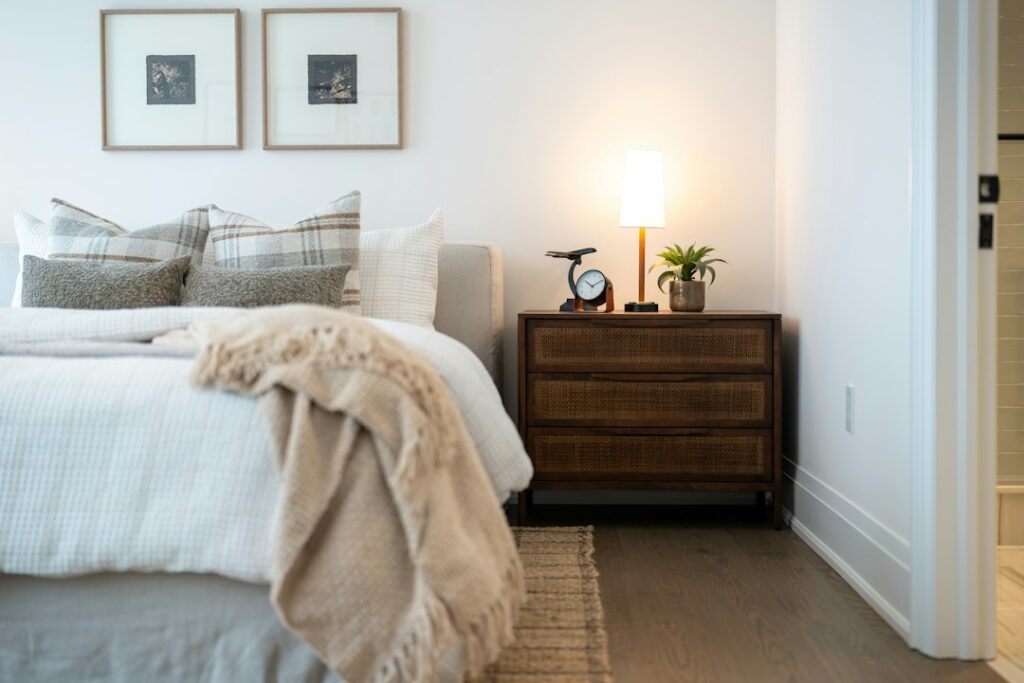
Moving into assisted living does not mean giving up personal style, familiar routines, or meaningful possessions. A well-arranged apartment can feel more comfortable and recognizable when it reflects the resident’s history, preferences, mobility needs, and everyday habits.
For residents in Scottdale, PA, personalizing a living space may also involve preparing for changing seasons, winter weather, family visits, and the practical realities of apartment living. The goal is not to recreate an entire former home. It is to create a safe, familiar setting that supports independence and emotional comfort.
What should be brought into an assisted living apartment?
The most useful belongings are usually familiar, practical, and easy to manage. A smaller number of meaningful items often creates more comfort than a crowded room filled with furniture.
Helpful choices may include:
- A favorite chair with good back and arm support
- Family photographs or framed artwork
- A familiar quilt, blanket, or bedspread
- A small collection of books, magazines, or music
- A clock with large, easy-to-read numbers
- A calendar or memory board
- A few decorative objects connected to hobbies, faith, travel, or family history
- Comfortable clothing that is easy to identify and organize
- A small table for reading, writing, puzzles, or crafts
Before moving day, measure larger furniture and compare those measurements with the apartment’s layout. Door widths, walking paths, closet space, and bathroom access matter more than appearance alone.
A favorite piece may be emotionally valuable but unsuitable if it blocks a doorway, creates a tripping hazard, or is difficult to move around. Personalization works best when comfort and safety are considered together.
How can an apartment feel familiar after a move?
Familiar routines and recognizable visual cues can make a new apartment feel less unfamiliar. Arrange commonly used items in the same general places they occupied at home whenever possible.
For example, a resident who reads before bed may prefer a chair, lamp, reading glasses, and books grouped together. Someone who enjoys morning coffee may benefit from having a small table near a comfortable seat, with a calendar or newspaper placed there each morning.
Photographs can be especially helpful when displayed at eye level. Pictures of family members, pets, former homes, celebrations, or meaningful activities may encourage conversation and provide reassurance. A simple memory board can also help visitors and caregivers learn about the resident’s background and interests.
Avoid covering every wall or surface. Too many objects may make the room visually confusing, especially for someone with memory loss or reduced vision.
How should furniture be arranged for safety?
Furniture should leave a clear path between the bed, bathroom, closet, seating area, and entrance. The safest layout is usually simple, open, and easy to navigate in both daylight and low light.
Keep these points in mind:
- Do not place small tables where they narrow a walking route.
- Keep electrical cords secured and away from areas where feet may catch.
- Avoid loose rugs unless they are specifically approved and firmly secured.
- Choose chairs that are stable and easy to rise from.
- Leave enough room for a walker or wheelchair if one is used.
- Keep frequently used items within easy reach.
- Make sure lamps and switches can be reached without stretching or walking across a dark room.
The apartment should also be checked from the resident’s perspective. A pathway that looks clear while standing may feel very different when using a walker, moving slowly, or carrying an object.
Any required safety equipment, emergency response device, or mobility aid should remain accessible and should not be hidden behind decorative items.
What lighting and color choices are helpful?
Good lighting can improve comfort, orientation, and safety. Use several modest light sources rather than relying only on one ceiling fixture. A bedside lamp, reading lamp, and entry light may reduce shadows and make familiar areas easier to recognize.
Night lighting is particularly useful between the bed and bathroom. In a region with darker winter days and changing weather, dependable indoor lighting can make the apartment feel more inviting and reduce the temptation to walk through the room in the dark.
Color contrast can also help. A light switch may be easier to find against a darker wall, while a contrasting toilet seat or chair may be easier to identify for someone with limited vision. Avoid highly reflective surfaces or busy patterns that may cause confusion.
Any lighting changes should be compatible with the apartment’s electrical setup and facility safety rules.

How can personal belongings support memory and identity?
Personal items can do more than decorate a room. They can help residents stay connected to important roles, relationships, and life experiences.
A former teacher might display books, certificates, or classroom-related objects. Someone who enjoyed gardening may keep photographs of past gardens, seed catalogs, or a few safe indoor plants if permitted. A person who valued family gatherings may create a small display of holiday photographs or handwritten recipes.
These objects can also help family members start conversations. Rather than asking only general questions, visitors might ask about a particular photograph, favorite activity, or familiar keepsake.
Items should be selected according to the resident’s current abilities and preferences. An object that once brought comfort may become frustrating if it requires maintenance, has sharp edges, breaks easily, or creates confusion.
What should be considered for residents with memory loss?
Residents with dementia or other memory-related conditions may benefit from a room that is calm, predictable, and easy to understand. Familiar objects are often more useful than elaborate decoration.
A clearly visible apartment number, name display, or distinctive item near the entrance may help with recognition if allowed by the residence. A photograph, brightly colored piece of artwork, or familiar chair can serve as a visual landmark.
Keep important items in consistent locations. Frequently changing the arrangement may increase confusion. Labels with large print or simple words can be useful for drawers, closets, or personal storage.
Safety concerns may include unsecured medications, small objects that could be swallowed, breakable decorations, or appliances that become hot. Family members should discuss these concerns with the appropriate care team when the resident’s needs change.
How can seasonal changes be managed?
Seasonal decoration can make an apartment feel connected to familiar traditions, but it should remain simple and safe. A small wreath, seasonal table decoration, or framed photograph may provide enough change without creating clutter.
For cold-weather months, keep coats, hats, gloves, and other outdoor clothing organized in an easily reached location. Wet footwear should not be left where it can create a slipping hazard. Residents may also prefer lightweight blankets indoors while keeping heavier winter items stored neatly.
Seasonal decorations should not block heaters, exits, sprinklers, vents, or emergency equipment. Candles, open flames, and certain electrical decorations may not be permitted.
How often should the apartment be reassessed?
An apartment should be reviewed whenever the resident’s mobility, vision, hearing, memory, or daily routine changes. A layout that worked during the first month may become less suitable after a new walker, wheelchair, or care need is introduced.
A brief review can ask:
- Is the path to the bathroom still clear?
- Can the resident reach the items used every day?
- Is the lighting adequate at night?
- Are frequently used clothes easy to identify?
- Has clutter collected on tables or floors?
- Are sentimental belongings still comforting rather than confusing?
- Does the resident feel that the apartment reflects personal taste and history?
Personalizing an assisted living apartment is an ongoing process. The most successful space usually combines familiar belongings, clear pathways, comfortable seating, practical lighting, and room for changing needs.
